Learn more about patents, intellectual property, and IP management.
Patent portfolio value starts with purpose. Link each patent family to a product, technology, market or strategic option and costs become investments.
Cutting IP administration is only worth it if the saved time goes to better decisions. A practical look at what to do with the hours you win back.
Is your patent portfolio getting more focused or just bigger? Four direction questions help you review your IP portfolio strategy beyond single data points.
Management asks a new question every week. Learn how one structured IP dataset can answer them all, and why a spreadsheet struggles to keep up.
A simple test for IP managers: would you sign your work? Four questions on data, deadlines, reporting and process show where to raise your standard.
Who decides if an invention gets protected? Business, product, development, IP managers and attorneys each hold a piece, as Eddie the Eagle shows.
IP deadline management for Friday afternoon: why renewals and reports pile up before the weekend, and how to keep the evening free for something else.
A patent portfolio review asks one question of every IP right: does it still protect something that matters? Keep, license, sell or let go.
Inventors often dismiss their own work as obvious or just practical. How that modesty keeps valuable ideas out of the invention disclosure process.
AI speeds up search and structuring in patent work, but its error rate has a floor. Where to rely on it, and where your own understanding has to decide.
Products get cancelled, markets shift, but IP rights and renewal fees keep running. Four questions to check whether your portfolio still fits your business.
Patent attorney, engineer and managing director speak different languages. How the IP manager in an SME keeps all three aligned as small changes pile up.
Can you say what each patent protects, which product uses it and why you still pay for it? Five questions to test your IP portfolio for half-truths.
Patent, trademark or design? Each right protects something different: the technical solution, the reputation or the look. A practical way to tell them apart.
Every patent has a renewal date and a price. Why postponing the keep-or-drop decision costs IP teams more than they expect, and how to decide in time.
Use the turn of the month or quarter to review your patent portfolio. Five points that reset renewals, costs, invention disclosures and reporting.
If your team cannot quickly say what is due, where the risks are and what matters most, IP work gets stressful. How visibility makes the process calmer.
Not every patent earns its renewal fee. Four questions help IP managers decide which patents to keep, which to let lapse, and how to back it with data.
Want to boost the efficiency of your IP management and move your company forward? How Patent Cockpit helps IP teams get more done in less time.
The most crucial points, IP management must cover in projects: FTO analysis, cost forecast, tracking product development and much more.
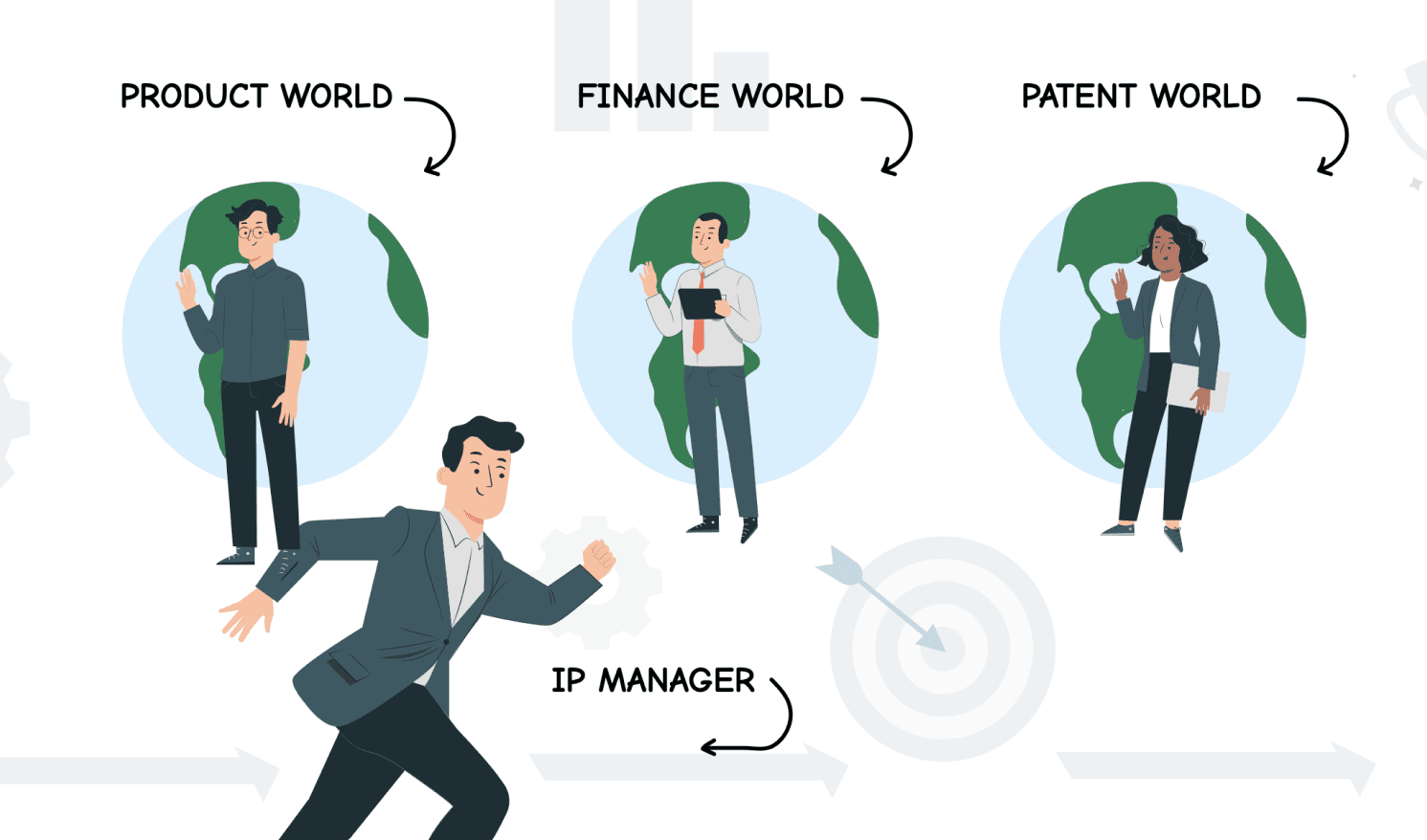
You are losing money if your high-tech company has no Intellectual Property Manager. What the role actually does, and why it tends to pay for itself.